Drilling Begins at Rattray Head for Spittal–Peterhead HVDC Link
SSEN Transmission has started horizontal directional drilling operations for the 2 GW, 525 kV subsea connection between Caithness and Aberdeenshire.
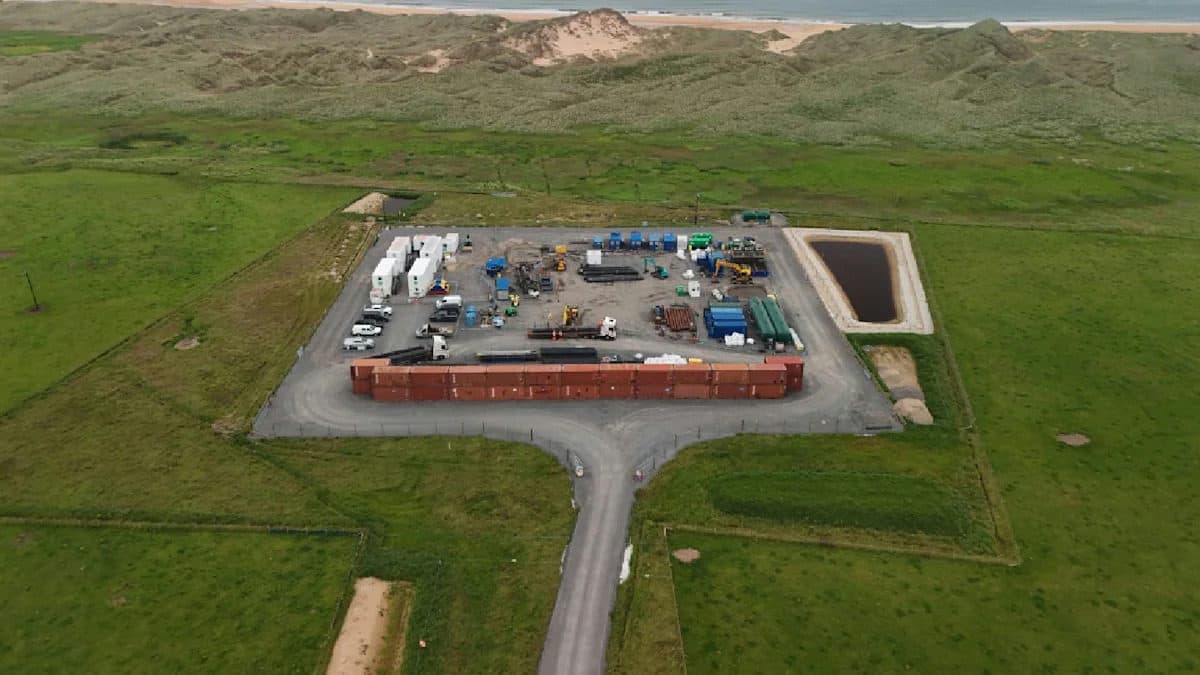
© Yahoo
Scottish and Southern Electricity Networks Transmission (SSEN Transmission) has commenced horizontal directional drilling (HDD) operations at Rattray Head, near Peterhead, for the 2 GW Spittal to Peterhead high-voltage direct current subsea cable project. The company announced the milestone on 20 July 2026, marking the start of works beneath the coastline to connect onshore and offshore electricity infrastructure in north-east Scotland.
The drilling operation will create a 1.7 km underground connection from the onshore compound at Rattray Head to an offshore exit point in the seabed. SSEN Transmission stated the works are expected to be among the longest forward-drilled landfall HDD operations carried out for power cables. Four ducts will be installed beneath the coastline and nearshore environment: three will hold operational cables for the HVDC link, while a fourth will remain as a spare for future use.
Cable supplier NKT is the specialist contractor for the HDD operation, with LMR serving as sub-contractor to provide engineering expertise and drilling equipment. The drilling works are expected to take approximately 12 months to complete.
Project Scope and Route
The Spittal to Peterhead HVDC project comprises a 166 km subsea cable operating at 525 kV, connecting Sinclair's Bay in Caithness to Rattray Head in Aberdeenshire. The subsea link will form part of a connection between the proposed Banniskirk Hub in Caithness and the Netherton hub near Peterhead, with an additional 16 km onshore cable route between Rattray Head and Netherton.
The route from north of Rattray Head was selected as the favoured cable corridor following consultation, identified as the least constrained option for the project. The 2 GW transmission capacity will enable renewable electricity generated in the north of Scotland to be transferred to demand centres and communities further south.
Project Timeline and Enabling Works
The Scottish Government Marine Directorate granted a marine licence for the project on 25 November 2025. SSEN Transmission began construction on the subsea cable in April 2026, with preparatory works having commenced earlier in the year.
Nearshore geotechnical surveys at Rattray Head began in early February 2026 using Fugro's jack-up barge WaveWalker1. Earlier HDD activity at the Rattray Estate north of Peterhead, to install cable bores beneath the U37B Rattray Road, was confirmed by 5 February 2026. Construction of a temporary access track and HDD platforms between the A90 and the Rattray Head coast was completed around March 2026, following ground investigation works including boreholes and trial pits conducted at various locations in the Rattray Estate in October 2025 and early 2026.
Wider Network Context
Niall Macleod, Spittal to Peterhead HVDC subsea link project director at SSEN Transmission, said: "The start of drilling at Rattray Head represents a significant milestone for the project. Horizontal directional drilling allows us to install critical infrastructure beneath the coastline while minimising impacts on the surrounding environment and local communities. Reaching this milestone is testament to the extensive planning and collaboration that has gone into preparing for the execution of these works."
The subsea link forms part of SSEN Transmission's network investment programme, valued at more than £22 billion, intended to upgrade electricity transmission infrastructure in the north of Scotland to support energy security and the integration of renewable generation.
Sign up to our monthly HVDC newsletter
Join 10k+ energy professionals. Get the latest project updates, technology breakthroughs, and market analysis delivered monthly.
No spam. Unsubscribe anytime.