Uzbekistan to Export 5 GW Green Power to Europe
Trans-Caspian Green Energy Corridor to transmit renewable electricity via HVDC submarine cable across Caspian Sea by 2030
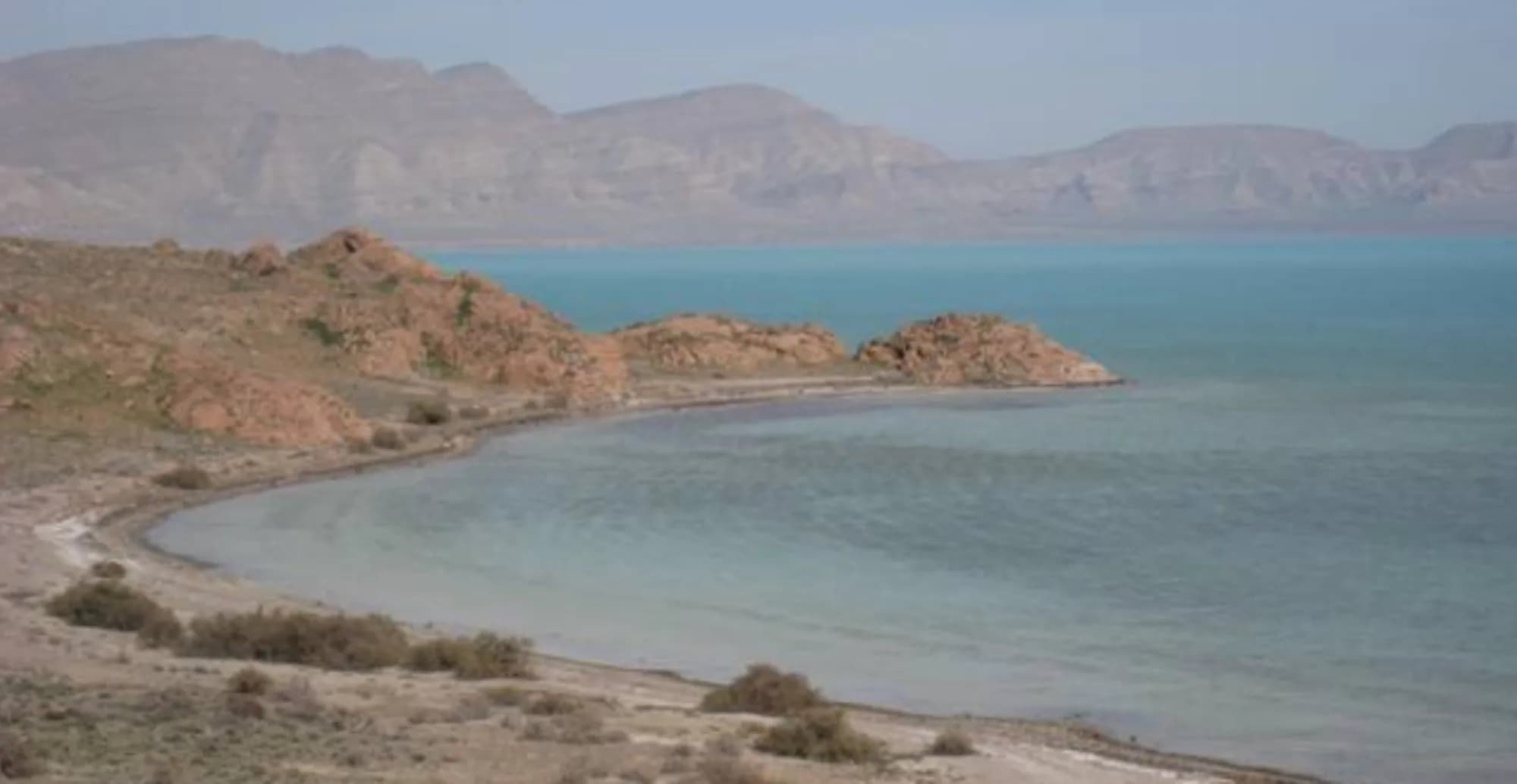
Uzbekistan plans to export between 2 GW and 5 GW of renewable electricity to Europe starting from 2030 through the Trans-Caspian Green Energy Corridor, Deputy Minister of Investments, Industry and Trade Khurram Teshabaev confirmed in an interview with Report.az on 8 July 2026. The initiative is being developed under a strategic partnership agreement signed by the leaders of Uzbekistan, Kazakhstan and Azerbaijan in November 2024 in Baku, with the three countries establishing a joint venture called the Green Corridor Union headquartered in Baku to coordinate implementation.
The corridor targets integration of up to 5 GW of renewable capacity by 2030, transmitting wind and solar electricity generated in Central Asia to European markets. The core infrastructure comprises a high-voltage direct current transmission system spanning approximately 2,500 kilometres, including a planned HVDC submarine cable under the Caspian Sea connecting Kazakhstan and Uzbekistan to Azerbaijan, routing through Georgia, and continuing via a Black Sea power cable to reach Romania, Bulgaria and Hungary.
Feasibility Study and Technical Preparation
The energy ministries of the three participating countries signed a memorandum of understanding with the Asian Development Bank and the Asian Infrastructure Investment Bank on 4 April 2025 in Baku to fund a comprehensive feasibility study and establish an institutional and legal framework for cross-border electricity trade. The development banks indicated readiness to provide up to US$2 million in support for the project's feasibility studies. Italian engineering firm CESI was appointed to lead Phase 1 of the study starting January 2026, with a cost of approximately €1 million fully covered by grant funding. The feasibility study is scheduled for completion around May 2027.
Uzbekistan's Renewable Energy Expansion and Export Capacity
According to the Ministry of Energy of Uzbekistan, the country aims to scale up its total installed renewable energy capacity to 35 GW by 2030, raising the share of green energy in the national mix to 54 per cent. By the end of the decade, total domestic power production is projected to reach 135 billion kilowatt-hours against local demand of 120 to 125 billion kilowatt-hours. The resulting surplus will allow Uzbekistan to export an estimated 10 to 15 billion kilowatt-hours of electricity to Europe annually. To guarantee reliability of the domestic power grid, new generation assets dedicated exclusively to European exports will be constructed and operated independently from Uzbekistan's existing national electricity network.
Broader Regional Cooperation Framework
The May 2024 memorandum of understanding on green energy transit signed by Azerbaijan, Kazakhstan and Uzbekistan laid the groundwork for the corridor. The November 2024 strategic partnership agreement expanded cooperation to include renewable energy development, energy efficiency, and export of green electricity, hydrogen and ammonia to international markets, particularly Europe. Energy ministers from Azerbaijan, Kazakhstan, Uzbekistan and Saudi Arabia also signed a memorandum of understanding on participation in the Project for the Development and Transfer of Green Energy between the three Caspian countries. Kazakhstan Electricity Grid Operating Company is overseeing elements of the feasibility study on the Kazakh side.
The exact volumes of clean energy transit will ultimately be determined by the technical carrying capacity of the submarine cable lines and market demand of European consumers. The Black Sea segment of the project is supported by the European Union's Global Gateway initiative and is designed to deliver renewable power from the South Caucasus region to Europe. As of July 2026, no official cost estimate, detailed route length in kilometres, voltage level in kilovolts, or final commissioning date has been publicly provided for the Caspian HVDC cable.
Sign up to our monthly HVDC newsletter
Join 10k+ energy professionals. Get the latest project updates, technology breakthroughs, and market analysis delivered monthly.
No spam. Unsubscribe anytime.